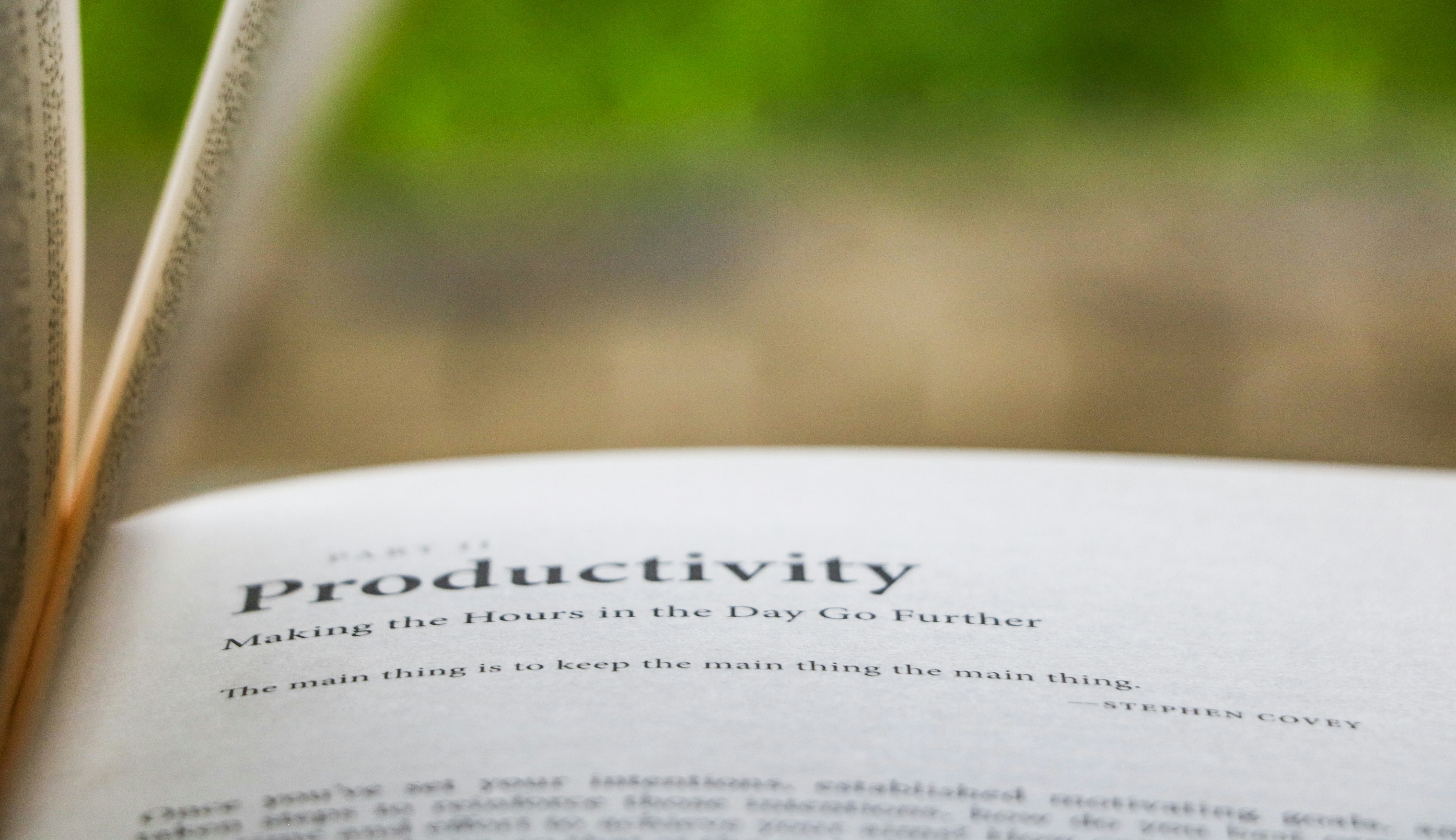
Boosting productivity isn’t about working harder—it’s about working smarter. Imagine productivity as a game of Tetris. The blocks are your tasks, and how you place them determines whether you clear the board or get buried under chaos. A small shift in strategy can mean the difference between being overwhelmed and achieving flow.
In this post, you’ll discover 10 tried-and-true productivity hacks that have stood the test of time. No fluff—just practical tips you can apply today to reclaim your focus, streamline your day, and finally make progress on what matters most.
A side hustle allows you to explore your passions, build additional income streams, and gain financial freedom. It’s also a way to test business ideas without the pressure of giving up your main income source.
Struggling to focus for long hours? This hack breaks work into manageable chunks.
The Pomodoro Technique is simple yet powerful:
This method keeps your brain fresh while maintaining focus. Francesco Cirillo, who created this technique, found that short bursts of effort are far more effective than endless hours of distraction-filled work.
Ever heard the phrase, “Swallow the frog first thing in the morning”?
Coined by productivity guru Brian Tracy, this hack means starting your day by completing the most important (or hardest) task. It eliminates procrastination and sets a winning tone for the rest of your day.
According to research, our willpower is strongest in the morning, so tackle that dreaded report or workout before distractions kick in.
Practical Tip: Write down your “frog” the night before. That way, you’ll hit the ground running when the day starts.
Want to control your day instead of reacting to it? Time blocking is your secret weapon.
Time blocking involves scheduling specific blocks for tasks, meetings, and even breaks. Elon Musk swears by this method, using it to juggle multiple billion-dollar companies.
By giving each hour a purpose, you reduce decision fatigue and ensure progress on priority tasks.
Practical Tip: Use Google Calendar to plan your day the night before. Color-code tasks to quickly see where your time is going.
If it takes less than 2 minutes, do it now.
David Allen, the author of Getting Things Done, introduced this hack to prevent small tasks (like replying to an email or tidying your desk) from snowballing. These tiny wins add up and clear mental clutter, allowing you to focus on bigger tasks.
Practical Tip: Set a timer for 10 minutes daily and knock out as many quick tasks as possible. You’ll be amazed at how much lighter you feel.
Not all to-do lists are created equal.
A list without structure can overwhelm you. Enter the SMART method: tasks must be Specific, Measurable, Achievable, Relevant, and Time-bound.
For example:
The clearer your tasks, the easier they are to complete.
Practical Tip: Use productivity tools like Todoist or Notion to organize your SMART to-do list.
Did you know it takes an average of 23 minutes to refocus after an interruption?
Whether it’s your phone, notifications, or chatty coworkers, distractions kill productivity. To regain control:
Practical Tip: Create a dedicated “focus zone” at home or work, free of clutter and interruptions.
Stop task-switching—it’s the productivity thief you didn’t know you had.
ask-switching costs you time and mental energy. Instead, group similar tasks (like emails, calls, or content creation) together. This technique, called task batching, allows you to focus deeply without constantly shifting gears.
Practical Tip: Set specific times during the day for checking emails (e.g., 10 AM and 3 PM) instead of sporadically throughout the day.
Did you know that 80% of results come from just 20% of your efforts?
The Pareto Principle reminds us to focus on tasks that deliver the biggest results. Identify the top 20% of activities that move the needle in your work or personal life, and prioritize them.
As Tim Ferriss says, "Being busy is a form of laziness—lazy thinking and indiscriminate action.”
Practical Tip: Ask yourself, “What one task, if done today, would make everything else easier?” Start there.
Why do something manually if a tool can do it for you?
From scheduling meetings to paying bills, automation frees up mental space and saves hours. Tools like Zapier or IFTTT can automate workflows so you can focus on more meaningful tasks.
Practical Tip: Identify repetitive tasks in your routine and explore tools to streamline them.
It’s not lazy—it’s science.
Studies show that our brain works in cycles. Pushing through fatigue reduces creativity and productivity. Instead, take breaks, walk outside, or meditate.
Even a short nap can improve focus, memory, and energy.
Practical Tip: Schedule “white space” into your day. Use apps like Headspace for 5-minute meditation sessions when stress hits.
Productivity isn’t about doing more—it’s about doing what matters, better. By implementing these 10 practical hacks, you’ll finally conquer your to-do list, reclaim your time, and find a sense of balance.
As Brian Tracy wisely said, “Successful people are simply those with successful habits.”
So, start small, experiment with these hacks, and watch your productivity soar—one frog, Pomodoro, and smartly blocked hour at a time.